Why Smaller Senior Care Residence Make Assisted Living Seem Like Home
Business Name: BeeHive Homes of Mesquite
Address: 780 2nd S St, Mesquite, NV 89027
Phone: (702) 381-6899
BeeHive Homes of Mesquite
At BeeHive Homes of Mesquite, Nevada, we offer the finest assisted living experience available in a cozy, comfortable homelike setting. Each of our residents has their own spacious room with an ADA approved bathroom and shower. We prepare and serve delicious home-cooked meals three times a day every day. We maintain a small, friendly elderly care community. We provide regular activities that our residents find fun and contribute to their health and well-being. Our staff is attentive and caring and provides assistance with daily activities to our senior living residents in a loving and respectful manner. We would like to invite you to tour and experience our assisted living home and feel the difference.
780 2nd S St, Mesquite, NV 89027
Business Hours
Families normally start looking at assisted living or wider senior care choices since something has actually changed. A fall. Missed out on medications. Increasing confusion. Or a partner silently confessing, "I can't do this alone any longer."
That is when the sales brochures begin piling up, and a lot of them look the exact same: big buildings, hotel-style lobbies, restaurant-style dining. On paper, it can be hard to understand why some families rather pick a small senior care home that looks practically like a routine home on a quiet street.
The distinction frequently becomes clear the minute you stroll through the door.
The feel of a front door, not a lobby
When I tour households through small assisted living homes, the very first thing they discuss is not the care plan or the activity calendar. They notice the odor of soup simmering on the range. The household images on the mantle. The television silently playing in the background instead of shrieking in a common room. It seems like somebody's home due to the fact that it is.
In a small residential senior care home, you normally see 6 to 16 citizens, not 80 or 120. Caregivers operate in the kitchen area, aid with laundry, and sit at the same dining table. The rhythm of the day feels closer to family life than to a program.
That environment matters more than the majority of households realize. Older grownups who have currently quit driving, possibly lost friends or a spouse, and are managing health changes are being asked to adjust yet once again. A homelike environment softens that shift. Locals can relax into a place that behaves like a home rather of a facility.
I have actually viewed individuals who barely left their rooms in big assisted living communities come to life in a smaller setting: sitting at the kitchen area island peeling apples, chatting with caregivers, or signing up with a neighbor on the patio area. Very same individual, exact same medical diagnosis, different environment.
Why size directly affects quality of care
The size of a senior care setting is not just cosmetic. It changes what is possible.
In a small assisted living home, care staff usually understand every resident's regimens by heart: how they like their coffee, which shirt they prefer on Sundays, whether they tend to wander at 3 a.m. That depth of familiarity is tough to construct when personnel are accountable for a long corridor of apartments.
To comprehend the trade-offs, it assists to take a look at a few key differences between bigger communities and smaller homes.
-
Staffing patterns and continuity
In huge buildings, staffing often works by zones or corridors. A caretaker may be accountable for 12 to 20 citizens on a shift, in some cases more. Turnover can be high, which implies homeowners constantly meet brand-new faces. In a small home with 6 to 10 residents, a caregiver's project might cover the whole house. Ratios differ, but it is common to see one caregiver for 3 to 5 homeowners throughout the day in much better small homes, and lower at night. This means more time per individual and quicker action to needs. -
Supervision and safety
Families often stress over security, especially with memory issues. In a big assisted living setting, a resident can stroll a cross country from their room to common locations, and staff might not see immediately if something is wrong. In a smaller home, common locations and bed rooms are closer together. Caregivers can see and hear more simply by existing in the living space. This does not replace correct fall-prevention or secure exits when dementia is involved, however it offers a built-in layer of natural oversight. -
Flexibility of routines
Big communities frequently rely on schedules for performance: set meal times, shower days, group activities at fixed hours. Some residents take pleasure in the structure, however others find it stiff. In a small senior care home, it is easier to flex around the person. If somebody chooses a late breakfast or a peaceful bath in the afternoon, there is less administration to browse. Staff can state, "Sure, let's do that," instead of, "We will see if we can fit you onto the schedule." -
Staff relationships and accountability
In small settings, everyone sees whatever. If a resident has a poor appetite for 2 days, the caretaker, the nurse, and often the owner or administrator will see and speak about it. There is less space for somebody to "slip through the fractures." I have actually enjoyed small homes recognize urinary tract infections, medication negative effects, and mood changes earlier just because personnel frequently see the very same few individuals in close quarters.
None of this suggests a huge assisted living neighborhood immediately supplies bad senior care. Some are excellent, with strong staffing and thoughtful programs. Size just sets the stage. It forms how care is provided and how easily personnel can maintain real, individualized attention.
Emotional security: being known, not simply cared for
The clinical side of elderly care is only half the picture. Psychological safety matters simply as much, especially for people dealing with loss of independence.
In a small home, citizens usually learn each other's names within days. They see the exact same staff members day after day. They observe when someone is missing from breakfast and inquire about them. There is a sort of common intimacy: the caregiver who knows precisely when to bring the cardigan, or the fellow resident who keeps in mind someone's favorite dessert.
I remember one woman, Margaret, who moved into a small home after 2 hard months in a much larger assisted living facility. In the bigger setting, she invested most of her time in her space. She told her child, "I feel like I remain in a hotel where I do not know anyone." In the small home, the manager welcomed her at the door, assisted her hang household pictures, and sat with her at the table that initially night. Within a week, she and another resident were watching old musicals together every afternoon.
Nothing about her care plan altered in a technical sense. Exact same medications, same medical diagnosis, exact same walker. The distinction was easy: she felt known.
When older grownups feel understood, 3 things tend to follow. Initially, they get involved more. They are more likely to come to the table, sign up with discussions, or opt for a walk in the backyard. Second, they communicate signs previously because they feel someone is genuinely listening. Third, habits concerns connected to anxiety or confusion typically ease, particularly in dementia, since the environment feels foreseeable and supportive.
Large buildings can absolutely develop pockets of this kind of belonging. Some do it well. Small homes, by their very nature, start closer to that goal.
How smaller homes manage altering care needs
Families frequently stress that a small senior care home will not have the ability to handle increasing needs, especially for dementia, mobility problems, or intricate medical conditions. This is a fair issue, and it does not have a single response, since policies and designs differ by region.
Many residential assisted living homes are licensed to provide help with all the usual activities of daily living: bathing, dressing, toileting, moving, and medication administration or management. Some also specialize in memory care, with experienced staff respite care and secure environments for those with Alzheimer's or other dementias. A subset works closely with going to hospice firms to support citizens at the end of life, which permits lots of people to prevent another disruptive move.
Where small homes can have a hard time is with highly technical medical requirements: ventilators, regular IV medications, or complex wound care that requires a nurse on-site for long blocks of time. In those cases, a knowledgeable nursing center or particular medical setting might be much safer and more appropriate.
The practical concern for households is not "Can a small home manage everything?" but "Can this particular home manage what my loved one needs now, and fairly manage what we anticipate over the next year or 2?" Well-run homes will be candid about their limitations. If a company promises they can deal with any level of care no matter what, without ever requiring to move someone, that is a cautioning sign more than a reassurance.
It is likewise important to ask how the home coordinates with outside doctor. Excellent homes keep close interaction with medical care doctors, home health, therapy providers, and hospice teams. They are used to scheduling mobile lab draws, setting up transport to visits, and keeping track of for changes that may signify infection, medication problems, or pain.
The unique function of respite care in small homes
Respite care can be a lifeline for family caregivers who are reaching their limit. It describes short-term stays, usually from a couple of days up to a couple of weeks, where the older adult moves into an assisted living or senior care setting briefly. This gives the main caretaker a possibility to rest, travel, or attend to other responsibilities.
Small residential care homes are typically ideal places for respite care, especially for someone who has actually never resided in any type of senior neighborhood before. Moving briefly into a very large assisted living building with long corridors and lots of unknown faces can be overwhelming. A smaller home feels closer to what the individual currently knows.
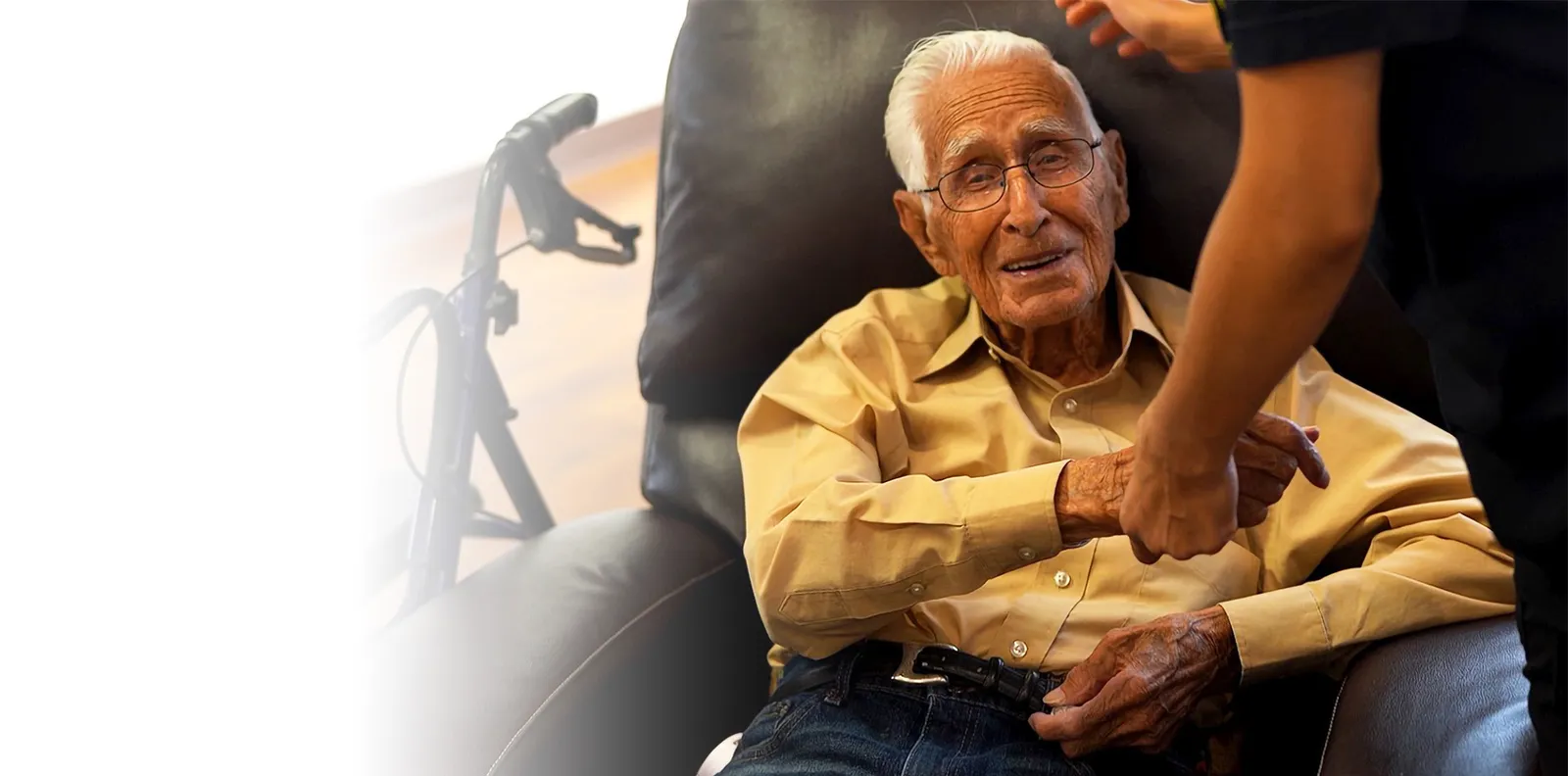
There is also a useful advantage. Staff in a small home can normally acclimate a respite visitor more quickly, since there are less homeowners to discover and less regimens to manage. I have actually seen families use a a couple of week respite remain in a small home as a sort of "test drive." The older adult gets a feel for shared living, the household sees how personnel connect with them, and both sides can decide whether a longer-term plan feels right.
For caregivers at home, respite in a small setting likewise supplies assurance. They know their loved one is not lost in the shuffle and that any issue is most likely to be seen promptly.
Trade-offs: when larger assisted living communities make sense
Smaller is not instantly much better for each individual or every scenario. Large assisted living communities provide some advantages that deserve naming clearly.
They typically have more formal shows: numerous day-to-day activities, on-site fitness centers, chapels, beauty parlors, and transport for group outings. Extroverted locals, or those still rather independent, may flourish because environment. Someone who likes large-group bingo, arranged workout classes, and a dining-room busy with discussion may discover a large neighborhood more stimulating.
Big buildings likewise often have on-site medical clinics, therapy health clubs, or drug store services. For particular complicated conditions, or when regular rehab is needed, this can be practical. Pricing can in some cases be more foreseeable also, with standardized packages and business policies.
Financially, there is no universal rule. Some small homes are more budget-friendly than large neighborhoods, especially in markets where property costs are lower and overhead is modest. Others are rather costly, particularly if they keep really low staff-to-resident ratios. Families require to compare not just the base rate however also the care charges, medication costs, and add-ons.
Lastly, some older adults merely choose the sensation of a bigger, busier location. They like having numerous dining-room, formal occasions, or the sense of living in a "neighborhood" rather than a single home. Character and preference matter as much as diagnosis.
What "homelike" really suggests in practice
The word "homelike" shows up in nearly every senior care pamphlet. In a smaller residential home, it needs to be more than marketing language. It should be visible in the small, daily details.
Meals, for example, are usually prepared in the cooking area where locals can see and smell what is taking place. Breakfast might not be a set plated meal but a discussion: "Do you feel like oatmeal or eggs this morning?" Homeowners may help set the table or fold napkins. Even if someone does not actively get involved, simply watching the natural circulation of a household can be grounding.
Bedrooms feel like real spaces, not hotel units. There is typically more flexibility about bringing furniture from home, hanging art, or reorganizing things. When somebody wakes puzzled at night, they are only a few steps from a caregiver's bed room or personnel office.
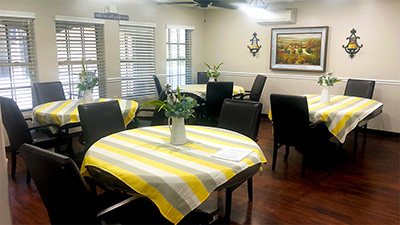
Noise levels are various too. Rather than overhead paging systems or big televisions in every typical location, you hear the sounds of a typical home: water running, a radio in the cooking area, 2 residents talking near the window. For people with dementia or sensory sensitivity, this calmer environment can decrease agitation and overwhelm.
Families likewise tend to incorporate in a different way. In a small home, there is generally no need to set up visits around elaborate sign-in systems or navigate a substantial parking lot. Family members stroll in, welcome personnel by first name, and typically end up sharing a cup of coffee at the table. Vacations can feel like extended household events, with adult children, grandchildren, and staff all weaving together.
Questions to ask when exploring a small senior care home
Choosing a senior care setting is not about discovering excellence. It is about matching a real individual, with particular requirements and preferences, to a genuine place with particular strengths and limitations. To make that match, families require useful, pointed questions.
Here is an easy list to bring when you tour a small assisted living or residential care home:
- What is the typical staff-to-resident ratio during days, nights, and nights, and how experienced are the caregivers?
- Exactly which care jobs are included in the base rate, and what costs additional if my loved one's requirements increase?
- How do you manage medical problems after hours, and who decides when to send out somebody to the hospital?
- How do you incorporate new locals mentally, particularly if they are shy, anxious, or dealing with dementia?
- What sort of respite care stays do you use, and how much notice do you require to accept a short-term guest?
Listen not simply to the answers, but to how personnel respond. Do they speak in specifics or in generalities? Are they comfy acknowledging limits? Do you see caregivers engaging with locals in genuine time, and if so, does it feel warm and genuine or hurried and task-focused?
Trust your observations as much as the shiny materials. Notification smells, sounds, body movement, and basic things like whether call lights, if present, are neglected or addressed quickly.
When staying home is no longer working
A peaceful reality in elderly care is that most people want to stay at home, however not everybody can do so safely. Households often wait until a crisis to consider assisted living, by which time choices narrow. Checking out options early, particularly smaller homes, can lower that pressure.
For some older adults, the transition to a small senior care home can feel less like "entering into a center" and more like transferring to a various family home where help is simply integrated in. That state of mind shift matters. It honors the person as more than a set of care jobs and acknowledges their requirement for belonging, familiarity, and dignity.
Respite care is a mild way to start that expedition. A week in a small home, framed as a brief stay while the family caregiver rests or travels, provides everybody genuine information about how the older adult responds to shared living. Sometimes, the person surprises the household by stating they feel safer or less lonely. In some cases, it confirms that home with additional assistance stays the much better option for now.
Either way, the choice is made with experience, not simply speculation.
The heart of the matter: home as a feeling, not an address
Assisted living, senior care, and respite care are technical terms, but under them sits a basic human question: "Where will I still seem like myself?" For many older adults, especially those who find large, institutional environments frightening, the answer depends on smaller residential homes.
These homes can not replace the history and intimacy of somebody's initial house. They can, however, use something just as crucial in this phase of life: a location where regimens feel familiar, staff seem like extended household, and the scale of daily life matches what an older mind and body can comfortably navigate.
When families step into a small assisted living home and state, frequently with some surprise, "This actually feels like a home," they are pointing to the real value of these environments. Not chandeliers or grand lobbies, but a pot on the stove, a well-worn recliner, a caregiver leaning in to hear a story they have actually most likely heard three times before and still treat as new.
That feeling is challenging to measure on a contrast chart. Yet for the older grownup who has given up so much currently, it can make all the difference between simply receiving care and truly living somewhere that seems like home.
BeeHive Homes of Mesquite provides assisted living care
BeeHive Homes of Mesquite provides respite care services
BeeHive Homes of Mesquite supports assistance with bathing and grooming
BeeHive Homes of Mesquite offers private bedrooms with private bathrooms
BeeHive Homes of Mesquite provides medication monitoring and documentation
BeeHive Homes of Mesquite serves dietitian-approved meals
BeeHive Homes of Mesquite provides housekeeping services
BeeHive Homes of Mesquite provides laundry services
BeeHive Homes of Mesquite offers community dining and social engagement activities
BeeHive Homes of Mesquite features life enrichment activities
BeeHive Homes of Mesquite supports personal care assistance during meals and daily routines
BeeHive Homes of Mesquite promotes frequent physical and mental exercise opportunities
BeeHive Homes of Mesquite provides a home-like residential environment
BeeHive Homes of Mesquite creates customized care plans as residents’ needs change
BeeHive Homes of Mesquite assesses individual resident care needs
BeeHive Homes of Mesquite accepts private pay and long-term care insurance
BeeHive Homes of Mesquite assists qualified veterans with Aid and Attendance benefits
BeeHive Homes of Mesquite encourages meaningful resident-to-staff relationships
BeeHive Homes of Mesquite delivers compassionate, attentive senior care focused on dignity and comfort
BeeHive Homes of Mesquite has a phone number of (702) 381-6899
BeeHive Homes of Mesquite has an address of 780 2nd S St, Mesquite, NV 89027
BeeHive Homes of Mesquite has a website https://beehivehomes.com/locations/mesquite/
BeeHive Homes of Mesquite has Google Maps listing https://maps.app.goo.gl/FouNDQWSGjDorrdT7
BeeHive Homes of Mesquite has Instagram page https://www.instagram.com/beehivehomesmesquite/
BeeHive Homes of Mesquite has an TikTok page https://www.tiktok.com/@beehivehomesofmesquite
BeeHive Homes of Mesquite has an YouTube page https://www.youtube.com/@hamiltonshives4468
BeeHive Homes of Mesquite won Top Assisted Living Homes 2025
BeeHive Homes of Mesquite earned Best Customer Service Award 2024
BeeHive Homes of Mesquite placed 1st for Senior Living Communities 2025
People Also Ask about BeeHive Homes of Mesquite
What is BeeHive Homes of Mesquite Living monthly room rate?
Our base rate is $4,400/month plus a one-time community fee of $1,500. We do an assessment of each resident's needs upon move-in, so a resident's rate may be slightly higher. Based on the assessment, a resident may be in Tier I, II, or III with pricing from $4,900 to $5,300 per month. However, we do not add any "a la carte" charges after that rate is set. There are no add-ons or hidden fees
Does Medicare or Medicaid pay for a stay at Bee Hive Homes?
Medicare pays for hospital and nursing home stays, but does not pay for assisted living. Some assisted living facilities are Medicaid providers, but we are not. We do accept private pay, long-term care insurance, and we can assist qualified Veterans with approval for the Aid and Attendance program
Do we have a nurse on staff?
We do have a nurse on contract who is available as a resource to our staff but our residents' needs do not require a nurse on-site. We always have trained caregivers in the home and awake around the clock
What can you tell me about the food at Bee Hive?
You have to smell it and taste it to believe it! We use dietitian-approved meals with alternates for flexibility, and we can accommodate needs for different texture and therapeutic diets. We have found that most physicians are happy to relax diet restrictions without any negative effect on our residents
Do we have a pharmacy that fills medications?
We do have a relationship with an excellent pharmacy that is able to deliver to us and packages most medications in punch-cards, which improves storage and safety. We can work with any pharmacy you choose but do highly recommend our institutional pharmacy partner
Where is BeeHive Homes of Mesquite located?
BeeHive Homes of Mesquite is conveniently located at 780 2nd S St, Mesquite, NV 89027. You can easily find directions on Google Maps or call at (702) 381-6899 Monday thru Sunday: 8:00am to 7:00pm
How can I contact BeeHive Homes of Mesquite?
You can contact BeeHive Homes of Mesquite by phone at: (702) 381-6899, visit their website at https://beehivehomes.com/locations/mesquite/ or connect on social media via Instagram Facebook or TikTok
Conveniently located near BeeHive Homes of Mesquite Megaplex a great movie theater with full food & drink menu. Catch a movie and enjoy some great food while you wait.